

If you’re planning to build, renovate, or sell a Southern Highlands property, you don’t need a surprise soil report that halts your project.
Knowing what counts as contaminated soil in NSW helps you avoid delays, extra costs, and compliance headaches.
This article explains the definition, common contaminants, how soil is classified, and how to arrange soil remediation.
What is contaminated soil?
Contaminated soil NSW is soil that contains substances at concentrations above normal background levels, and those substances present a risk to human health or the environment. In NSW, this definition is anchored in the Contaminated Land Management Act 1997 and supported by national guidelines such as the NEPM (National Environment Protection Measure).
- Contamination can come from past land uses, spills, illegal dumping, or imported fill.
- Risk depends on the contaminant type, concentration, and how people or the environment might be exposed.
- A site can be “contaminated” even if it looks clean, which is why testing and history matter.
What counts as contaminated soil under NSW law?
Under NSW law, soil is considered contaminated when a substance is present above background levels and meets risk criteria for the current or proposed land use.
Key points from the Contaminated Land Management Act 1997:
- Presence of a substance above normal local background levels.
- The presence presents a risk of harm to human health or the environment.
- Risk is assessed against guidelines for the intended use, such as residential, parkland, or commercial.
This means soil can be “contaminated” even at relatively low levels if the intended use is sensitive, such as a home or childcare centre.
Which substances commonly contaminate soil?
Most residential and light commercial contamination in NSW falls into a few well-known categories.
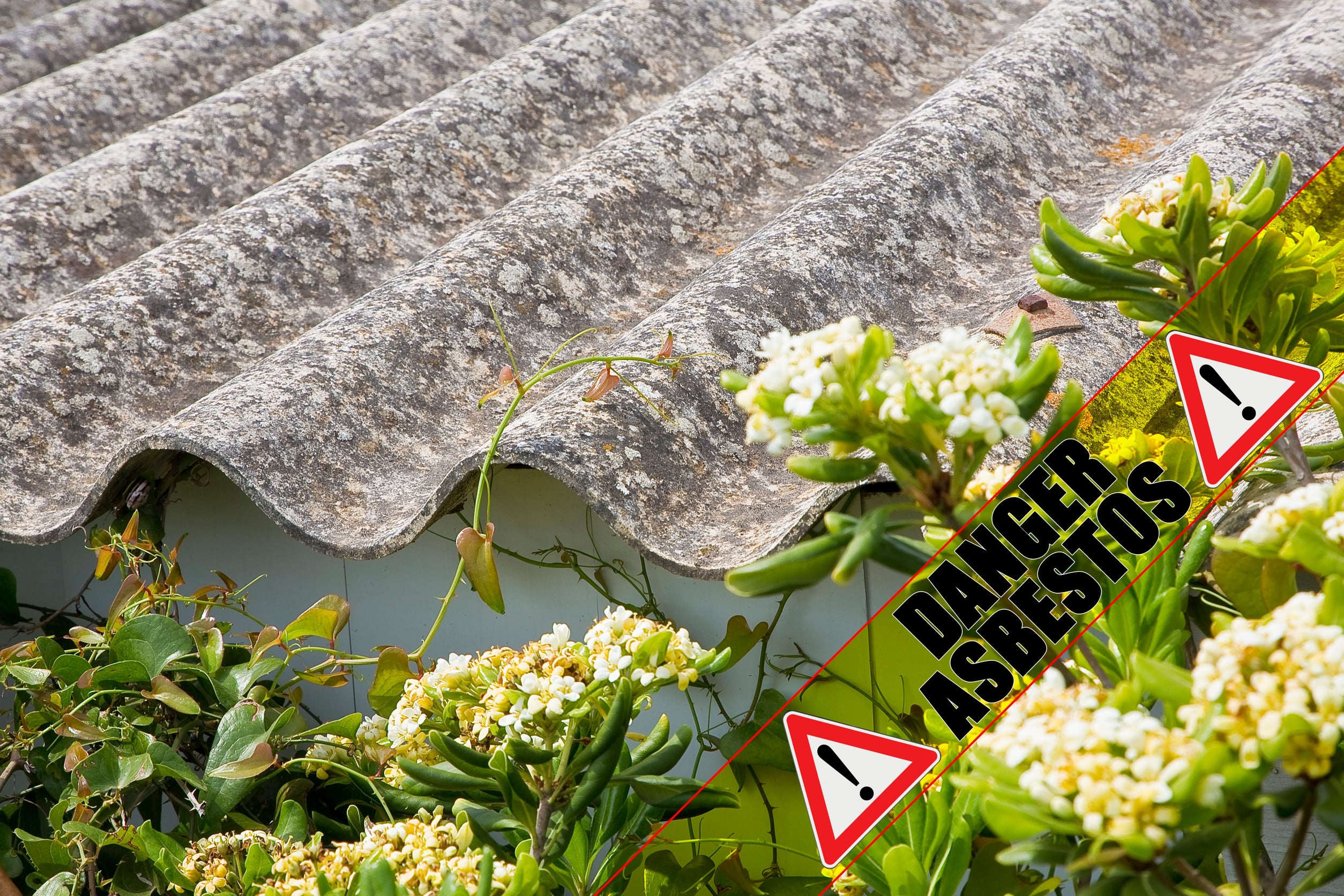
Asbestos in soil
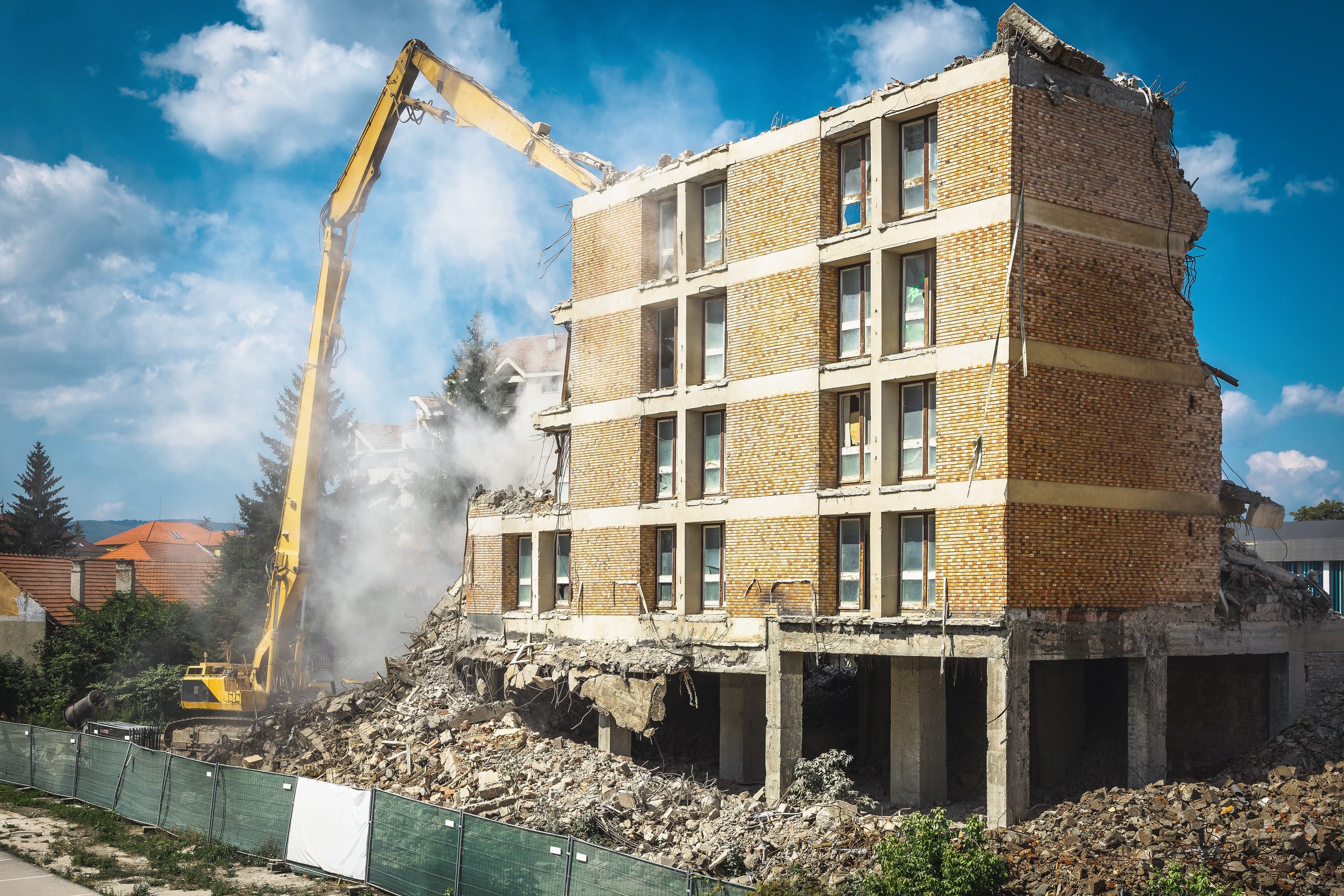
Asbestos fragments in soil often come from old demolition waste, illegal dumping, or disturbed naturally occurring asbestos.
- Any friable asbestos in residential soil requires professional remediation.
- Bonded asbestos fragments still need careful handling and licensed disposal.
- The NEPM threshold for asbestos in soil is very low (around 0.001% w/w).
Heavy metals
Heavy metals are common on older properties, former industrial sites, and areas with historical pesticide use.
- Lead, arsenic, cadmium, chromium, and zinc are typical examples.
- Sources include old paint, treated timber, industrial activity, and vehicle emissions.
- For residential areas where children play, lead has a health-based investigation level of 300 mg/kg.
Hydrocarbons and petroleum products
Hydrocarbon contamination usually relates to fuel storage, workshops, or spills.
- Petrol, diesel, lubricants, and solvents can soak into soil and persist for years.
- Common around old service stations, sheds with fuel drums, and mechanical workshops.
- Strong petroleum odour or stained, dark soil can be a warning sign.
Other chemical contaminants
Other contaminants show up where chemicals were stored, used, or dumped.
- Herbicides or pesticides on sites previously used as market gardens or farms.
- Solvents, degreasers, and industrial chemicals on old factory or warehouse sites.
- PFAS in some areas linked to firefighting foam or, occasionally, landfill.
When should you test your soil for contamination?
Testing is the only reliable way to know if your soil is contaminated. Certain site histories and physical signs should trigger testing before you dig, build, or landscape.
Site history red flags
Ask yourself these questions about the property’s past:
- Was the site ever used for industrial, commercial, or agricultural purposes?
- Were there fuel tanks, workshops, spray sheds, or chemical stores?
- Has fill been brought onto the site from unknown sources?
- Is there evidence of old demolition waste or illegal dumping?
If you answer yes to any of these, soil testing is strongly recommended.
Physical warning signs in the soil
Some contaminants give visible or sensory clues, such as unusual colouring, strong odours and visible debris on site.
These signs do not prove contamination, but they justify professional testing.
Frequently Asked Questions: What counts as contaminated soil?
What counts as contaminated soil in simple terms?
Soil is contaminated when it contains substances above normal background levels that pose a risk to human health or the environment for the intended land use.
Does all old fill count as contaminated soil?
No, but unknown or mixed fill is a risk factor. Fill that includes demolition waste, industrial material, or unrecorded sources should be tested before reuse.
Can soil be contaminated even if it looks clean?
Yes. Many contaminants, such as heavy metals or PFAS, have no obvious colour or smell, so laboratory testing is essential.
Is asbestos in soil treated the same as asbestos in walls?
No. Asbestos in soil is managed as a priority waste with strict handling, tracking, and disposal rules, and even small amounts can trigger remediation in residential areas.
How Southern Highlands Demolition can help with contaminated soil NSW
We are a local demolition and soil remediation team serving the Southern Highlands and surrounding inland areas. Our team has many years of experience delivering safe, efficient soil remediation.
If you aren’t sure what counts as contaminated soil, read our soil remediation guide and get in touch with the team today to arrange an assessment and quote.



Leave A Comment