
Contaminated soil is one of those issues that tends to catch property owners off guard.
It can become a problem during a demolition, a renovation dig, or even a routine landscaping job. When it does, knowing what to do next and what not to do can make a significant difference to your health, your budget, and your legal obligations.
This guide walks you through what contaminated soil is, how it forms, and how contaminated soil remediation NSW will make your block safe to use again.
What Is Contaminated Soil?
Contaminated soil contains substances which might be a risk to human health, the environment, or both. The contaminants may be chemical, biological, or radiological in nature, and they may be visible or completely undetectable without testing.
Not all contaminated soil looks or smells different from clean soil. That is why professional testing is essential before drawing any conclusions.
What Causes Soil Contamination?
Soil contamination usually links directly to how a property was previously used.
Common sources of soil contamination include:
- Old agricultural practices involving pesticides, herbicides, and fertilisers
- Underground fuel storage tanks at former service stations or farms
- Industrial or manufacturing activity on or near the site
- Dumping of chemicals, paints, or solvents
- Lead-based paint from the demolition of pre-1970s buildings
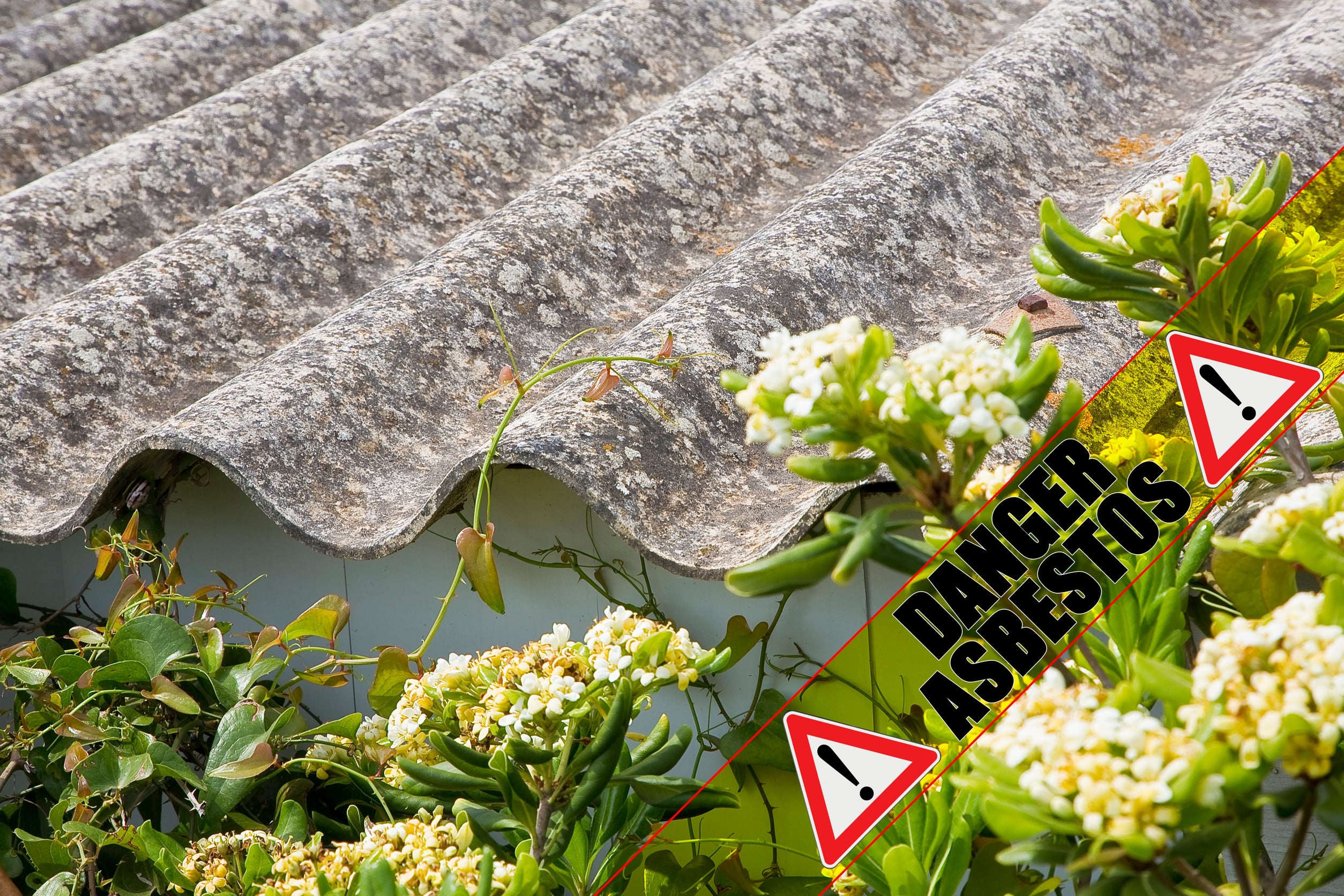
- Asbestos in or on soil from old building materials
Why Is Asbestos in Soil a Particular Concern?
Asbestos-contaminated soil is especially common in the Southern Highlands and surrounding areas, where older residential and farming properties are prevalent. Asbestos fibres can be present in soil from demolished structures, rubble fill, or illegal dumping, and they are not always visible to the naked eye.
How Do You Know If Your Soil Is Contaminated?
The clearest way to confirm contamination is through a formal site assessment and soil testing. However, there are indicators that should prompt you to investigate further.
Signs that may suggest contaminated soil:
- Discolouration, such as an oily sheen, dark staining, or unusual colour patches
- Discolouration, such as an oily sheen, dark staining, or unusual colour patches
Unusual odours, particularly petroleum or chemical smells - Dying or distressed vegetation in specific areas
- Proximity to former industrial or agricultural land use
- The presence of old building rubble, drums, or buried waste
What Is a Phase 1 Environmental Site Assessment?
A Phase 1 ESA is a desktop review of a site’s history and land use. It does not involve soil sampling, but it identifies whether further investigation is warranted.
If the initial review suggests contamination may be present, a Phase 2 ESA must be conducted, involving a physical site inspection and the collection of soil or groundwater samples for laboratory analysis. Together, these assessments form the foundation of any remediation plan.
What Should You Do If You Find Contaminated Soil?
If you suspect you may have contaminated soil on your property, take the following steps in order.
- Stop all work in the affected area immediately. Continuing to dig or disturb the soil can spread contamination further across the site.
- Do not remove or transport the soil yourself. Moving contaminated soil without a licence is illegal in NSW.
- Engage a licensed environmental consultant to conduct a site inspection to assess the extent of contamination and recommend a management plan.
- Notify the relevant authority if required. Certain types and levels of contamination must be reported to the NSW EPA.
- Engage a licensed remediation contractor. Once the scope of contamination is known, a qualified contractor can safely and legally manage excavation, treatment, or disposal.
Do You Have to Report Contaminated Soil in NSW?
The NSW Environment Protection Authority (EPA) uses a two-tier framework: significant contamination that poses a risk under current land use is managed directly under the Contaminated Land Management Act 1997, while lower-risk contamination is handled through the planning and development process.
If you are unsure whether your site requires formal notification, an accredited site auditor or environmental consultant can advise you. The NSW EPA maintains a list of accredited site auditors who can review investigation and remediation work.
What Are the Methods for Treating Contaminated Soil?
Common soil remediation methods include:
- Excavation and off-site disposal: Contaminated soil is removed and transported to a licensed EPA facility for treatment or disposal.
- Bioremediation: Naturally occurring or introduced microorganisms break down organic contaminants in the soil.
- Chemical treatment: Chemical agents neutralise or immobilise specific contaminants.
- Soil washing: Contaminated soil is processed with water or solvents to separate and remove contaminants.
Can Contaminated Soil Be Treated and Reused On-Site?
Whether on-site reuse is possible depends on the contaminant type, treatment method, and the intended use of the land. A licensed environmental consultant will assess this as part of the remediation plan.
Who Is Responsible for Contaminated Soil?
Responsibility for soil contamination Southern Highlands depends on how and when the contamination occurred, and who currently owns or controls the land.
- Landowners would normally be held responsible for managing contamination, even if they did not cause it.
- Property developers have obligations to assess and remediate contamination before or during the development process under planning laws.
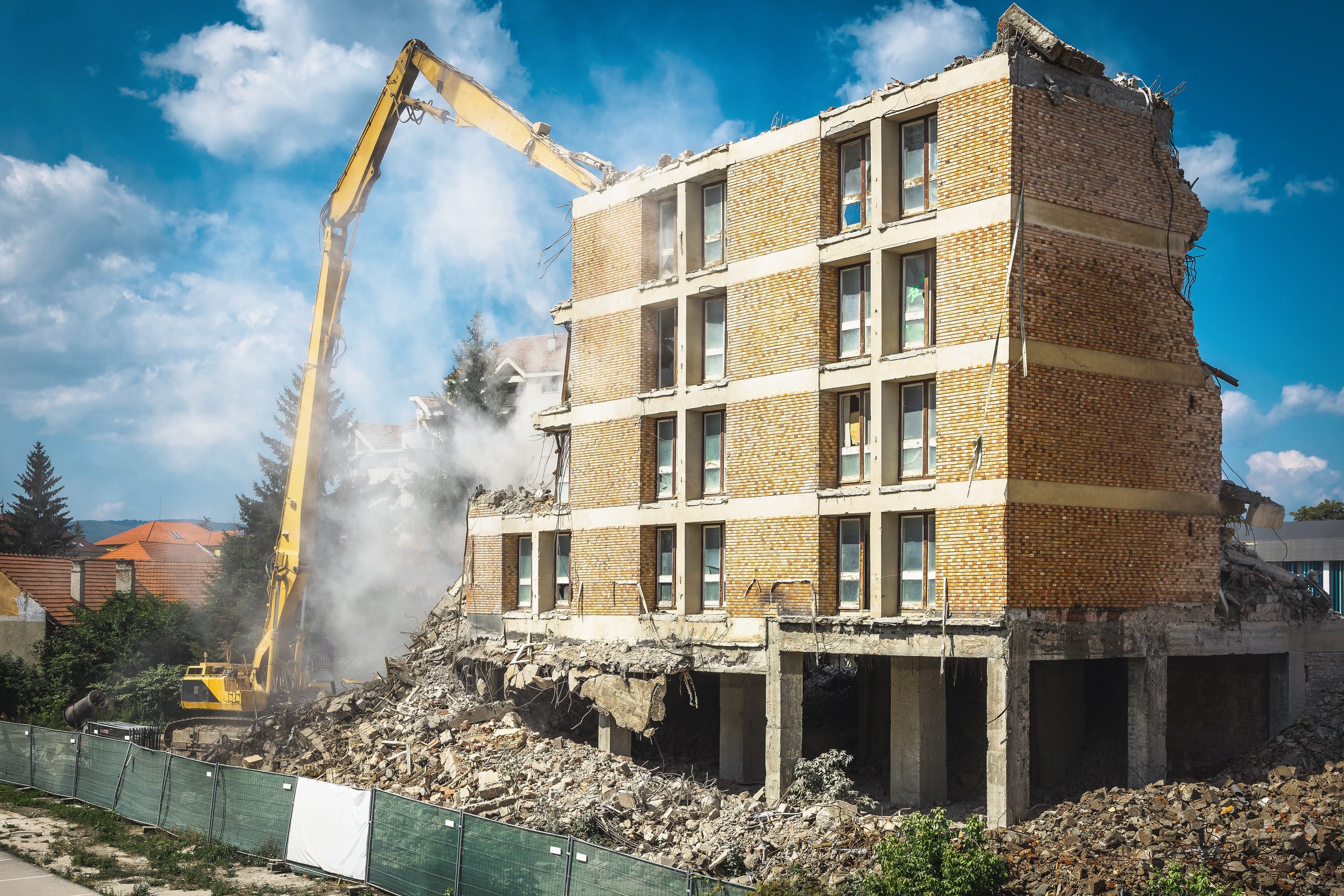
- Demolition contractors who uncover contamination mid-project must stop work and follow the appropriate reporting and management procedures.
- Tenants and property managers may also have obligations depending on the lease terms and the nature of the contamination.
What Happens If Contaminated Soil Is Ignored?
If contaminated soil is ignored, drinking water supplies may be contaminated, affecting neighbouring properties.
Contaminants can migrate through soil over time, increasing the area of impact. Failure to manage contamination can result in fines, legal liability, development delays, and reduced property value.
Frequently Asked Questions About Contaminated Soil
What is contaminated soil?
Contaminated soil contains chemical, biological, or other substances at levels that pose a risk to human health or the environment.
How long does soil remediation take?
It depends on the extent and type of contamination. A small residential site may be remediated in days, while a large industrial site can take months.
Can I build on contaminated land?
In some cases, yes, once the site has been remediated to an appropriate standard for the intended use and signed off by an accredited site auditor.
How much does soil remediation cost?
Costs vary widely depending on soil volume, contamination type, treatment method, and site access. A site assessment is the first step to understanding the scope and cost.
What is an accredited site auditor in NSW?
An accredited site auditor is a qualified professional approved by the NSW EPA to independently review and sign off on contamination investigation, remediation, and validation work.
How We Can Help in the Southern Highlands
At Southern Highlands Demolition, we understand that dealing with contaminated soil can be stressful, especially when it arises unexpectedly during a demolition or site preparation project.
We are a locally owned and operated business, and we understand the types of contamination that arise in our region, from asbestos in old farm structures to fuel-contaminated soil near heritage homesteads. We know the land, the local conditions, and the regulations that apply here.
If you are concerned about contaminated soil on your property or want to ensure your demolition project is managed with the right safety protocols in place, get in touch with us today. We are here to help, and we will give you a straight answer.
Visit our soil remediation page to learn more about how we approach contaminated sites in the Southern Highlands and surrounding areas.




Leave A Comment