
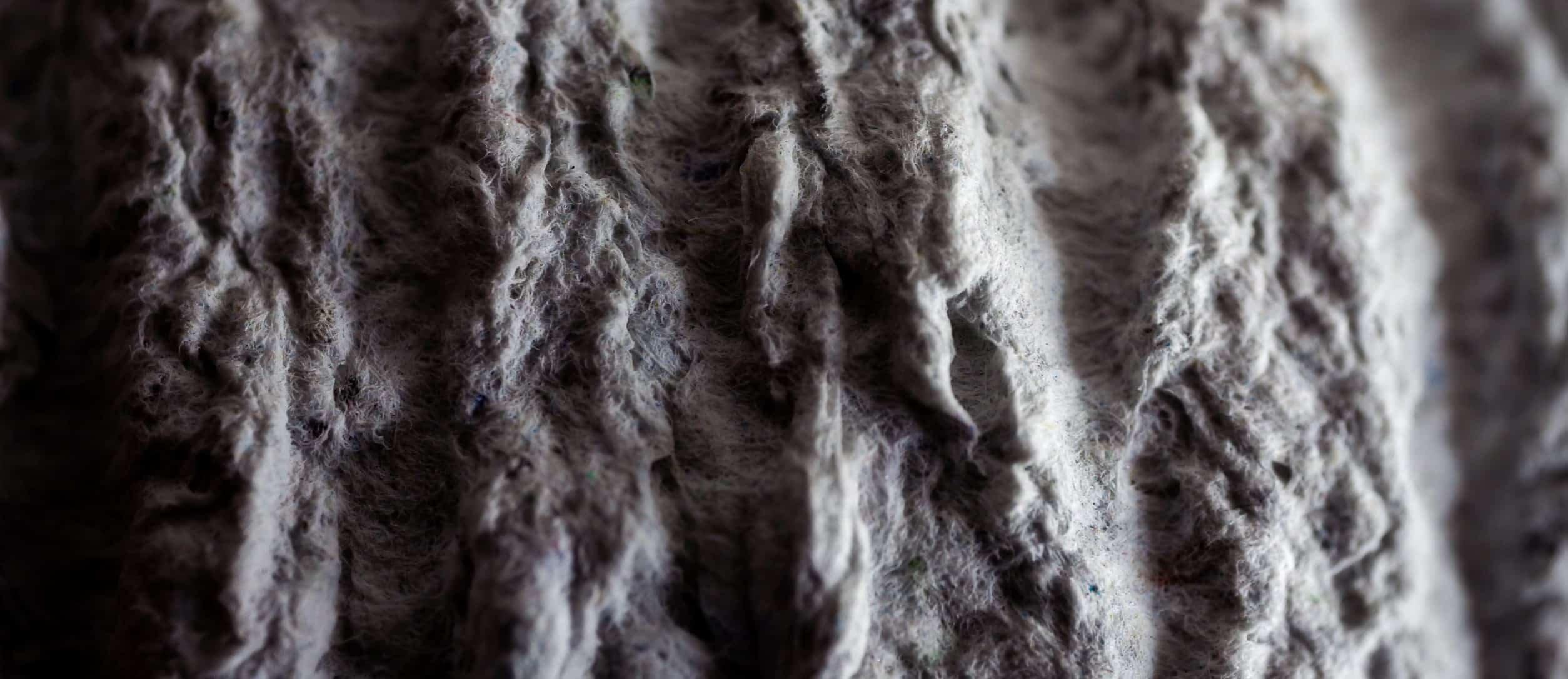
Asbestos can be taken to a local dump only if the site is licensed to accept it, and it must be handled and transported properly first.
This article explains what NSW rules require, why asbestos removal Southern Highlands is tightly controlled, and what homeowners, landlords, businesses, and builders need to do to stay safe and legally compliant.
What Is The Short Answer?
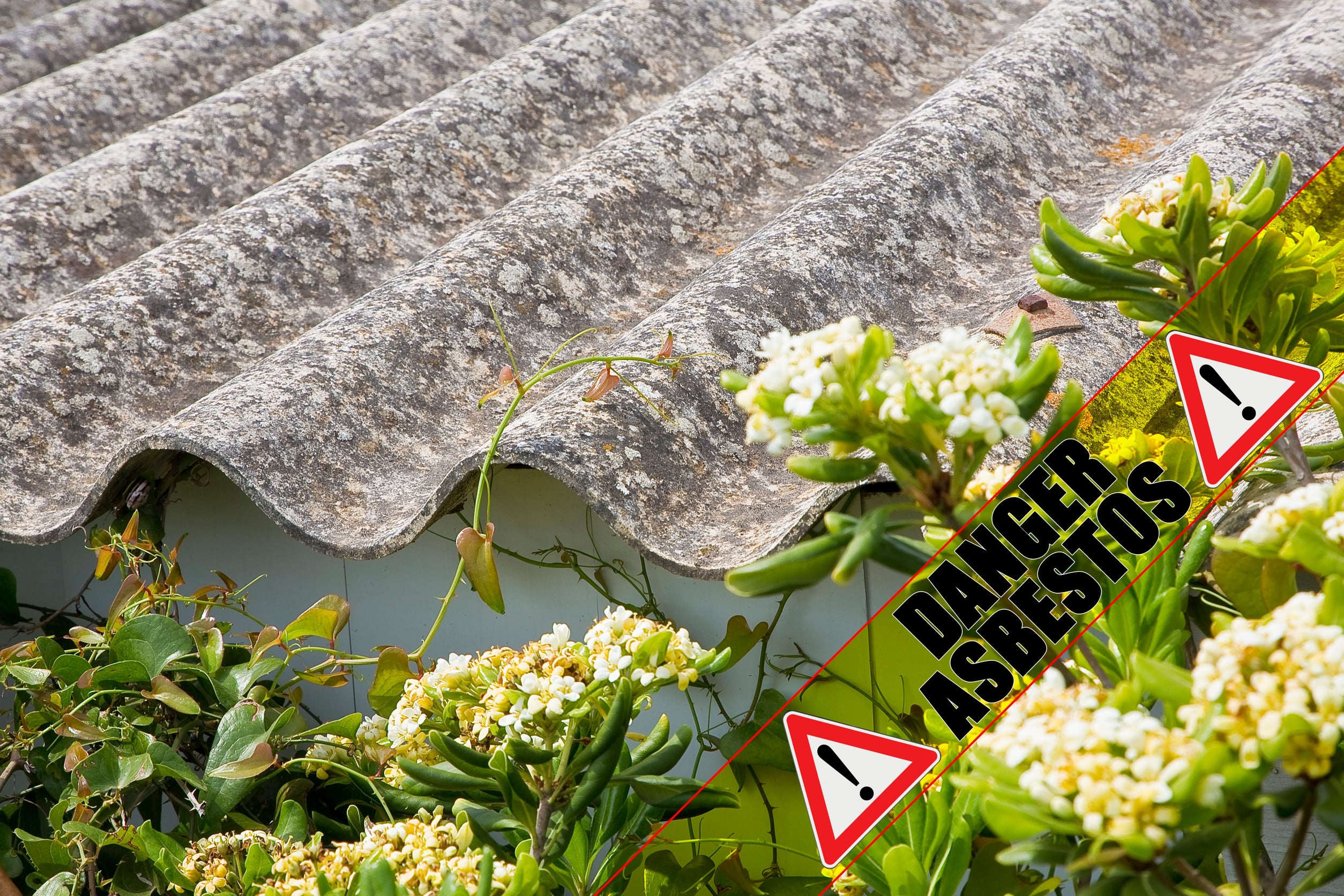
The short answer is no, not to just any local dump. In NSW, asbestos waste must go to a landfill that is licensed to receive it, and it cannot go in kerbside bins, general rubbish, or an uncovered skip bin.
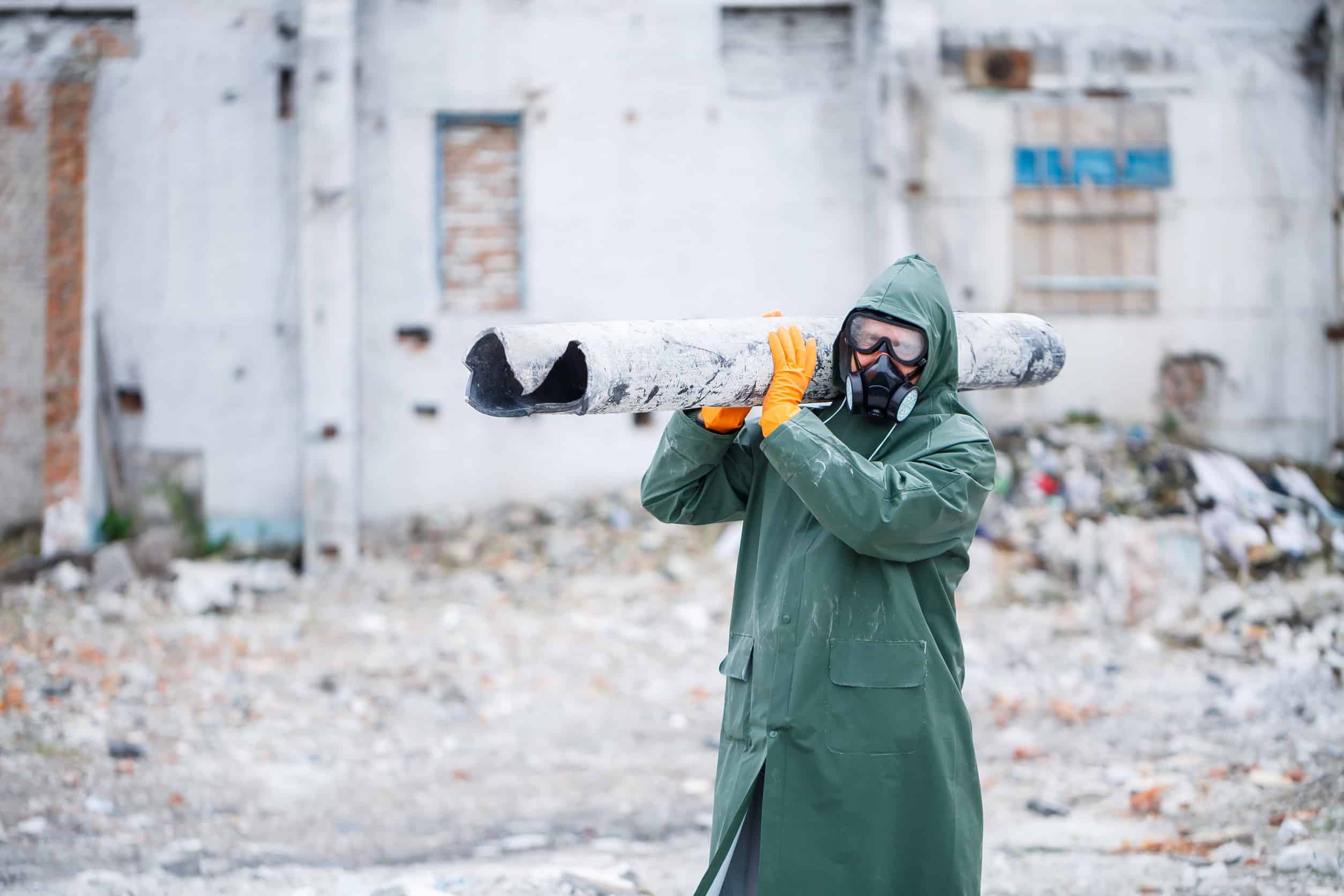
If asbestos is being removed from a home, rental, worksite, or commercial property, the safest option for everyone involved is to use a licensed asbestos removalist. That reduces the risk of fibre release, legal mistakes, and unsafe disposal.asbestos.nsw+1
Why Is Asbestos Disposal NSW Controlled So Closely?
Asbestos is controlled because disturbing it can release fibres that are harmful when breathed in. Those fibres easily spread beyond the work area and affect people who live, work, or visit nearby.
Safe handling matters because asbestos problems are not just a site issue; they are a health issue. Once fibres spread, cleanup becomes more difficult and more expensive.
What Do NSW Rules Say About Removal?
NSW rules place clear limits on who can remove asbestos and how much can be handled without a licence. For non-friable asbestos, any area greater than 10 square metres may be removed only by a licensed asbestos removalist, and friable asbestos must always be handled by a licensed professional.
How Should Asbestos Waste Be Handled?
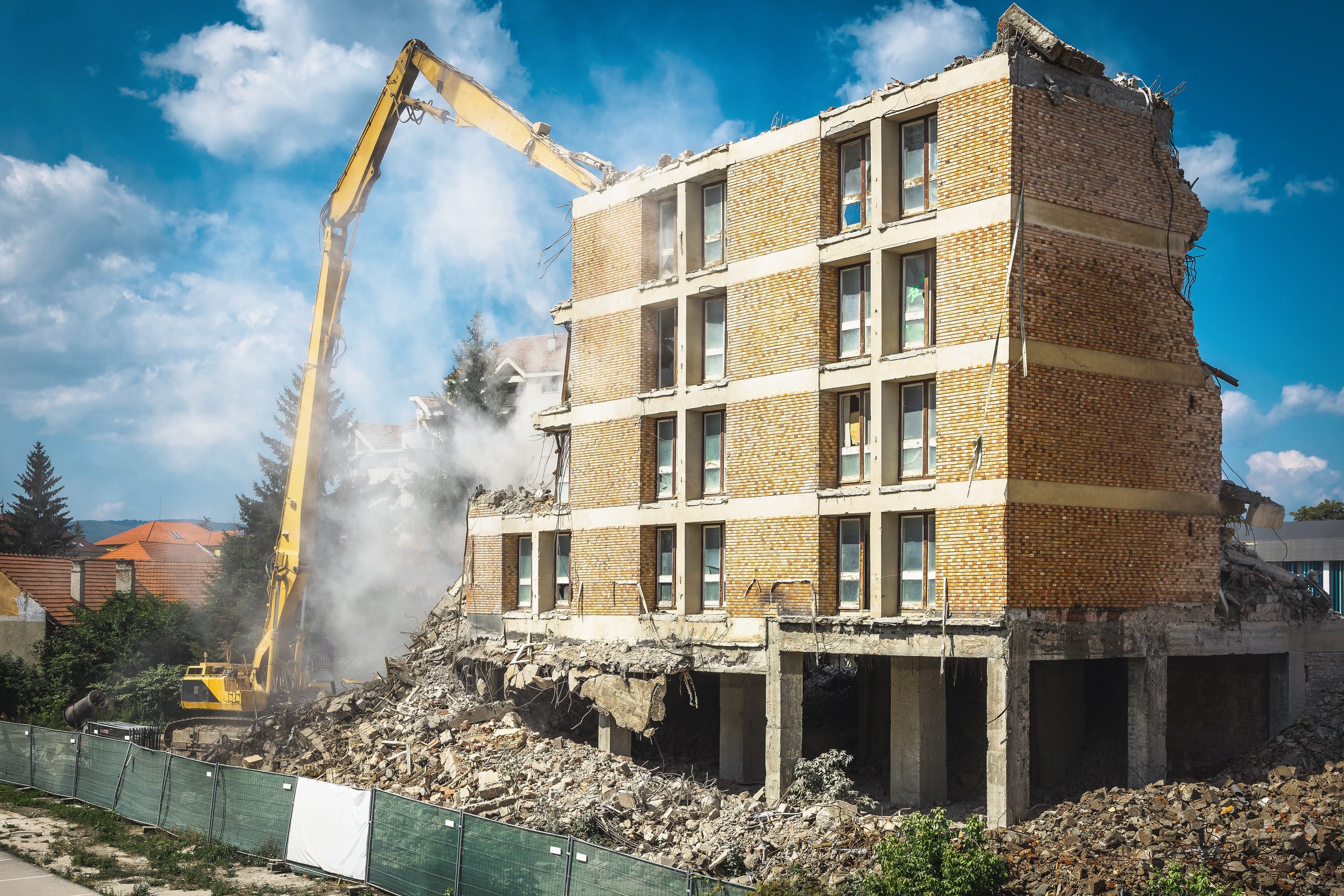
Demolition waste management is the process of containing, transporting, and disposing of hazardous building materials in line with safety and environmental rules. For asbestos, that means the waste must be properly secured before it leaves the site and taken directly to an approved facility.
- Securely wrap the asbestos in strong plastic.
- Label the waste clearly so everyone knows what it is.
- Keep the material sealed during transport.
- Move it to a landfill licensed to accept asbestos.
- Keep the paperwork or disposal records for compliance.
This is not a job for loose loading or casual dumping. NSW guidance also states that asbestos should not be recycled, reused, or illegally dumped.
What Happens During Professional Removal?
A compliant asbestos job should follow a clear sequence from inspection through to disposal. The process is designed to protect people, control dust, and ensure the waste reaches the right facility.
Steps should include:
- A site inspection to arrange testing of suspicious material.
- Isolation of the work area.
- Safe removal using packaging, labelling, and transport.
- Disposal at a licensed landfill.
- Clearance inspection where required.southernhighlandsdemolition.com+2
In many cases, a clearance certificate or similar sign-off is needed before the area can be used again. That gives owners, managers, and builders confidence that the site is safe for the next stage of work.
What Mistakes Should Be Avoided During Disposal of Asbestos?
The most common issue is assuming that a local tip will accept the material without checking first.
Avoid these mistakes:
- Putting asbestos in domestic rubbish bins.
- Dumping it in an unapproved skip bin.
- Reusing asbestos sheets or fragments.
- Breaking, cutting, or dry sweeping suspect material.
- Transporting waste without checking the landfill accepts asbestos
What Is The Safest Next Step?
The safest next step is to assume the material is asbestos until it has been checked properly. From there, arrange for a licensed contractor to carry out an assessment and ensure the removal and disposal plan complies with NSW rules.
For most people, the simplest solution is professional handling from start to finish. It protects health, reduces compliance risk, and avoids a lot of stress later on.
Frequently Asked Questions
Can asbestos go in a skip bin?
Not in a standard skip bin or an uncovered bin. It must be taken to a licensed landfill in approved packaging and transported safely.
Do I need a licence to remove asbestos from my home?
You may be able to remove small amounts of bonded asbestos yourself in limited cases, but NSW strongly recommends using a licensed removalist. More than 10 square metres of non-friable asbestos needs a licensed professional.
What happens after asbestos is removed?
The waste is wrapped, labelled, transported to a licensed landfill, and the area is cleaned and checked. Some jobs also require a clearance certificate before the space can be used again.
What if I am not sure the material is asbestos?
Do not disturb it. Stop work, keep people away, and get a licensed asbestos assessor or removalist to confirm what it is.
Safe, professional asbestos removal for peace of mind
At Southern Highlands Demolition, we handle asbestos removal with the care, compliance, and local knowledge that NSW properties need. If you are dealing with suspect material in the Southern Highlands or surrounding areas, we can help with safe assessment, removal, transport, and disposal so the job is done properly from start to finish.
Contact Southern Highlands Demolition to arrange an inspection and get clear advice on the safest way forward.


Leave A Comment