
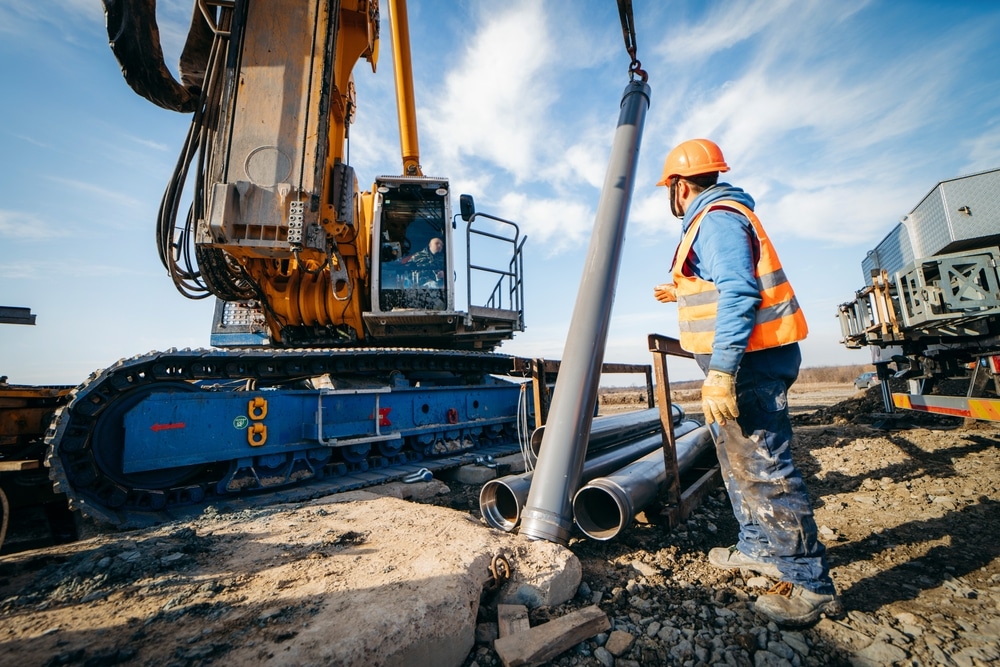
A commercial property refurbishment starts with a clear plan, a safe strip-out, and the right team for the job. Whether the space is an office, shop, warehouse, or mixed-use property, the goal is the same, prepare the building so the next stage runs smoothly and without delay.
This article explains everything you need to know about commercial fit out demolition, including the process and what is involved.
What does commercial refurbishment mean?
Commercial refurbishment is the process of updating a business property to suit its current use or a new tenant. It involves cosmetic updates, internal reconfiguration, compliance works, or a full strip-out before a new fit-out begins.
Common refurbishment works include:
- Removing old fixtures and fittings.
- Replacing flooring, ceilings, and walls.
- Updating lighting, services, and access points.
- Changing the internal layout.
- Preparing the site for a new tenant or business use.
When should a commercial property be refurbished?
A commercial strip out Southern Highlands is needed when your property no longer supports your business’s operational requirements. That might be due to wear and tear, poor layout, outdated finishes, or a change in how the space is being used.
Common reasons for a refit include:
- The space is outdated or looks tired.
- The layout no longer suits the business.
- Safety or compliance issues.
- At the end of the lease, the space must be cleared and prepared for a new tenant.
- The business wants a better customer or staff experience.
What types of commercial refurbishments are there?
Commercial refurbishment is not one single job. It can range from minor internal changes to full demolition and preparation for rebuilding.
Internal strip-out and make good
This is one of the most common types of refurbishment. It removes non-structural items such as partitions, cabinetry, flooring, ceilings, fittings, and redundant services.
It is often done when a tenancy ends or before a new fit-out begins. The aim is to return the property to a clean, workable shell ready for the next stage.
Office refurbishment
Office refurbishment improves how staff use the space. It may include new meeting rooms, updated reception areas, more efficient work zones, and better amenities.
This type of work is usually about layout, comfort, and productivity. It can also help create a more professional first impression for clients and visitors.
Retail refurbishment
Retail refurbishment focuses on presentation and customer flow. It often includes shopfront improvements, display area changes, flooring updates, and lighting upgrades.
For retail spaces, the layout matters as much as the look. Improved flow can make the space easier to use and help the business present its stock more effectively.
Warehouse or industrial refurbishment
Industrial refurbishments aim to update safety, space-use and access. The work may be reconfiguring storage areas, clearing obsolete fixtures, improving lighting, or preparing for new operational equipment.
In these spaces, the work needs to support day-to-day operations. A practical layout and safe access can make a real difference to efficiency.
Structural refurbishment
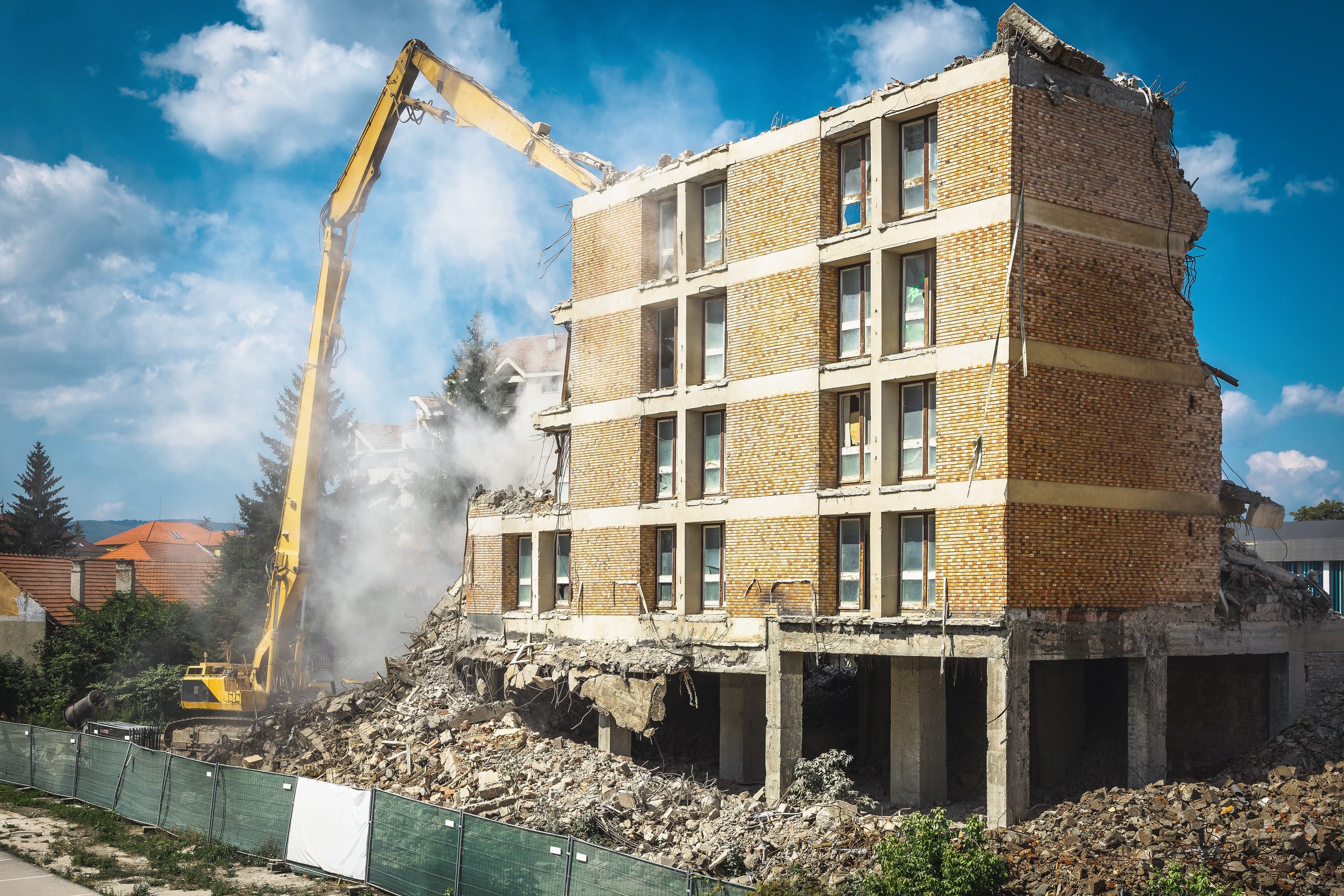
Structural refurbishment is needed when the building itself must change. This can include controlled removal of walls, openings, floors, or other structural elements, subject to the right approvals and engineering advice.
This type of work needs careful planning. It should only be handled by experienced contractors who understand safety, sequencing, and site control.
What are the steps to refurbish and refit a commercial property?
A good refurbishment follows a clear sequence. Rushing the early stages often leads to delays, extra cost, and avoidable site problems.
- Assess the property and define the goal.
Start by deciding what the space needs to do. A refurbishment for a retail tenancy will look very different from one for a warehouse or office. - Permits and approvals
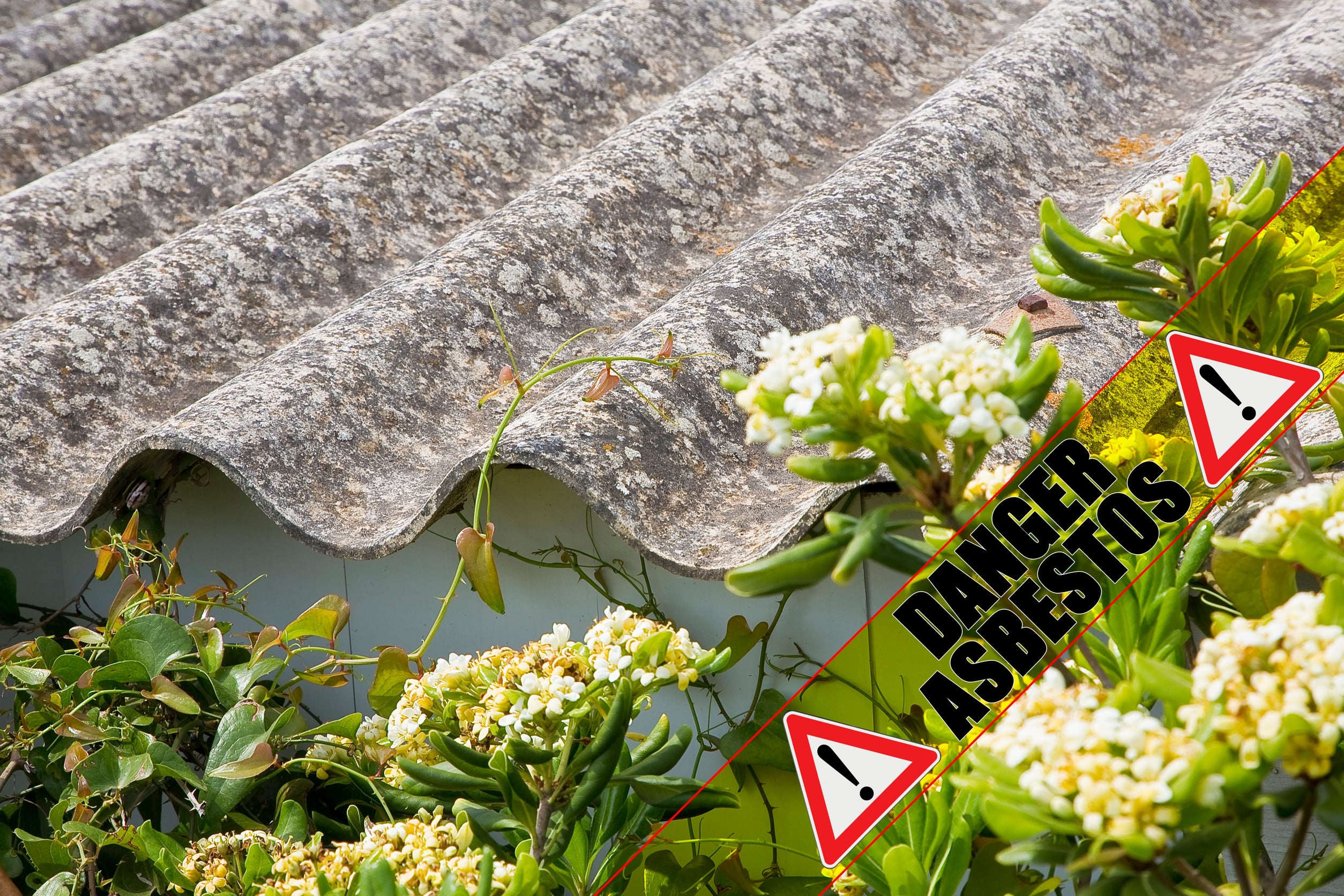
Before any work begins, confirm which approvals or permits are required. This is also the stage to test for, and remove asbestos, damaged materials, or other risks. - Plan the strip-out or demolition works.
The project plan should include what is to be removed, what can stay, and what should be salvaged. A clear scope helps reduce confusion once work begins. - Protect the site and arrange waste removal.
Put up fences, barriers and warning signs. Waste should be removed promptly and recycled where possible. - Complete the refurbishment and fit out.
Once the space is cleared and prepared, the next team can complete the new work with fewer obstacles. - Inspect, clean, and hand over.
The final stage should leave the property ready for use. A tidy handover helps the next phase move ahead without interruption.
What should you check before starting work?
Before any commercial refurbishment begins, the site should be checked properly. This reduces the risk of delay and helps keep the project safe.
Key checks include:
- Whether approvals or permits are required.
- Whether asbestos or hazardous materials are present.
- How the building will stay safe during works.
- How waste will be removed and sorted.
- Whether the business can keep operating during the project.
It is also worth checking access, parking, delivery points, and neighbouring properties. These details often affect how quickly a site can be worked on.
Frequently asked questions
How long does a commercial refurbishment take?
It depends on the size of the property and the amount of work involved. A small internal refurb may take days, while a full fit out or structural project may take weeks or longer.
Do I need to close my business during works?
Not always. Some projects can be staged to reduce disruption, but larger strip-outs or structural works usually need the space to be vacated.
Can old fixtures and materials be reused or recycled?
Yes, in many cases they can. Good refurbishment planning includes salvage, recycling, and responsible disposal where practical.
What is the safest way to start a commercial refurbishment?
The safest place to start is with a proper site assessment and a clear scope of works. That way, you know what needs to be removed, what risks exist, and what approvals may be needed before the fit out begins.
A careful start also helps avoid delays later. When demolition, strip-out, and waste removal are planned properly, the refurbishment stage becomes simpler, cleaner, and more efficient.
Need help with commercial refurbishment?
At Southern Highlands Demolition, we are locals, with years of experience in commercial property refurbishment. We are trusted by local homeowners, property managers, business owners, and construction teams.
We know that commercial work needs clear timing, safe methods, and honest communication. If you want a practical start to your refurbishment project, we are ready to help.
View our commercial demolition webpage to learn more, get in touch with your questions, and arrange a site visit.




Leave A Comment